

Permanent Makeup License Requirements By State — The Complete US Guide
What license do you need to work as a permanent makeup or nano hairstrokes artist in the US? All 50 states and Washington D.C. — every state does it differently, and this page explains each one in plain English.
Last verified against each state's official sources: August 2026.
WHY LICENSING CONFUSES ALMOST EVERYONE:
The question sounds simple: "I live in this state and I want to do permanent makeup — what paperwork do I need?"
But the answer is messy, because the US has NO single national law for this profession. Every state sets its own rules. Some states license each individual artist. Some license only the shop. Some hand everything to the county — the local level below the state. And a few states have no specific law at all yet.
We are Jocelyn Tran and PhiBrows Grandmaster Danny Dang — USA PhiAcademy in Fresno, California. We have been teaching this profession for more than 8 years, with more than 4,000 students across the country. Our students live in every corner of the US, so the licensing question is one we answer almost every day.
This page puts all 50 states and Washington D.C. in one place, with a link to each state's official government source so you can verify everything yourself.
One thing to be clear about up front: laws change, and each county can apply the rules a little differently. This page is a general guide so you know what to expect — before you open a shop or take clients, always double-check with the county where you'll be working. You can also message our school and tell us which state you're in — we'll point you to exactly what you need there.
THE RULES THAT ARE TRUE ALMOST EVERYWHERE
The US regulates permanent makeup under three basic models — some states license the ARTIST, some license the SHOP, and some leave it to the COUNTY. But before we go state by state, here's what nearly every state requires:
One: Be at least 18 years old.
Two: A Bloodborne Pathogens certificate. In plain terms: a short safety course about blood and needles — how to prevent disease transmission and how to keep your tools clean. It's usually online, takes a few hours, and must be renewed periodically. This is the single most important certificate in this profession — practically every state asks for it.
Three: Work in a licensed facility. US law groups permanent makeup with tattooing — so the place where you work (shop, room, suite, or booth) must be approved for hygiene by the county or the state. Getting a facility permit looks similar almost everywhere: fill out registration forms with the health department (state or county, depending on where you are), if you work inside a salon your PMU area must be a separate room, and you need a sink with hot and cold running water in the work room itself. A legal place to work is also condition number one of our school's "no clients, no pay" guarantee.
Four: Keep your paperwork safe and posted. Your license, your Bloodborne Pathogens certificate, the shop's permit — these are the first things an inspector asks for.
And one thing that matters just as much: a nail or cosmetology license is NOT a permanent makeup license. Many people assume a cosmetology license covers PMU — it doesn't. Permanent makeup falls under the body art / tattoo system, regulated by health departments — not the cosmetology system of the State Board. Several states (Illinois, Maryland, Pennsylvania) even write it directly into law: you may not do permanent makeup under a cosmetology license or inside a cosmetology salon.
QUICK SUMMARY, STATE BY STATE
Alabama — artist + shop permits through the county health department; home studios banned.
Alaska — its own "permanent cosmetic coloring" license, 250 hours.
Arizona — no state license; county-level rules; working from home, tents, or trailers is banned.
Arkansas — its own license + minimum 375-hour apprenticeship + state exam.
California — individual registration with your county (no state license).
Colorado — state sets the standards, counties run it (Denver has its own license).
Connecticut — 2,000 supervised hours — the toughest in the country.
Delaware — license goes to the shop; plans approved before you build.
Florida — individual Department of Health license; your course must be Florida-approved.
Georgia — county board of health + a special law about the eye area.
Hawaii — written Bloodborne Pathogens exam + a health certificate.
Idaho — no state license yet.
Illinois — shop registers with IDPH; the artist needs Bloodborne Pathogens every year.
Indiana — county issues the license; Bloodborne Pathogens every year.
Iowa — individual permit renewed annually; BBP + First Aid.
Kansas — its own cosmetic tattoo license; written + practical exams.
Kentucky — annual registration with the local health department.
Louisiana — annual operator registration; requires CPR + First Aid + BBP.
Maine — its OWN micropigmentation license; includes a facility inspection.
Maryland — no state license; county rules (Baltimore City: individual license).
Massachusetts — every city is different (local Board of Health).
Michigan — license goes to the facility (MDHHS); no individual artist license.
Minnesota — its own cosmetic tattoo license; 200 supervised hours.
Mississippi — registration with the state health department; renewed annually.
Missouri — individual license; 3 paths into the profession.
Montana — license goes to the shop; plans approved before you build.
Nebraska — its own "Permanent Color Technician" license + exam.
Nevada — health district Body Art Card (Las Vegas: 6 months' experience or apprentice route).
New Hampshire — 1,500-hour apprenticeship or 3 years' experience.
New Jersey — local health department approval; home studios banned.
New Mexico — its own Permanent Cosmetic Practitioner license; two exams.
New York — outside NYC it depends on the county; inside NYC a city license is mandatory.
North Carolina — ANNUAL individual permit from the county health department.
North Dakota — state licenses the shop; artists follow the local public health unit.
Ohio — shop needs a local health district license; studios in homes are banned.
Oklahoma — 2 paths: a 1,500-hour tattoo license or medical micropigmentation inside a doctor's office.
Oregon — approved school, 360 hours + 50 procedures + state exam.
Pennsylvania — no state license yet; local rules apply, new law pending.
Rhode Island — 320-hour apprenticeship + infection control exam.
South Carolina — independent PMU is not legal; physician supervision only.
South Dakota — state sets hygiene standards; licensing is by city.
Tennessee — 1-year apprenticeship + exam, through the county health department.
Texas — license goes to the studio (DSHS); no individual artist license.
Utah — permit through the local health department; BBP + First Aid.
Vermont — its own permanent cosmetics registration: 60 hours of training + 40 hours of practice.
Virginia — the most complete PMU license system: 200 hours + NIC exams (+ a Master tier).
Washington — individual license + mandatory $100,000 insurance.
Washington D.C. — its own "Micropigmentation Specialist" license; 500 hours + 3 certificates.
West Virginia — studio registers with the local board of health.
Wisconsin — artist + shop licenses renewed annually; no required training hours.
Wyoming — almost no state law (Laramie County has its own permit).
Full details for every state below.
ALABAMA
ALABAMA — licensed through the county health department, under state law
In Alabama, both the artist and the shop need a license — issued by the county health department under the Body Art program of the state health department (ADPH).
Paperwork for the ARTIST (operator permit, renew annually): an application on the health department's form, plus 3 things — a certificate from a department-approved Bloodborne Pathogens course (taken within the last 36 months), your Hepatitis B vaccination record (or a signed declination form, or proof of immunity), and a photo ID.
Paperwork for the SHOP (facility license, renew annually): an application listing the owner's name and address, the shop location, the types of body art services you'll offer, and a signature. Opening a new shop or remodeling one? You must submit drawings plus a plan review application for the health department to approve BEFORE you build or remodel. The license cannot be transferred, and Alabama does not allow body art to be done at home.
Official government source: Alabama Public Health — Body Art: alabamapublichealth.gov/foodsafety/body-art.html
ALASKA
ALASKA — a separate permanent cosmetic license, lighter than regular tattoo
In Alaska, permanent makeup has its OWN license category called "permanent cosmetic coloring" — through the state's Board of Barbers and Hairdressers, and it's much lighter than regular tattooing: you need 250 hours of training in a board-approved program (regular tattoo requires 1,000 hours).
You need: to be at least 18 years old when you start training, current CPR and Bloodborne Pathogens certificates, and to work in a licensed shop — the shop must pass the state's sanitation inspection first.
Paperwork for the SHOP: a shop owner license from the board (an application with the owner's information, the address, and a list of any other shops you currently own) plus a Certificate of Sanitary Standards from the state environmental agency (DEC). A new shop or a major remodel must have its drawings approved by DEC BEFORE construction, then pass an inspection before the certificate is issued. The DEC certificate is good for 1 year and cannot be transferred.
Official government source: Alaska Board of Barbers and Hairdressers: commerce.alaska.gov — Board of Barbers and Hairdressers
ARIZONA
ARIZONA — no state license, but home studios are not allowed
Arizona does not issue tattoo licenses — no artist license, no shop license at the state level, and even the big counties (Maricopa, Pima) have no health permit program for body art. To open a shop, you just need a city business license, tax registration, and the right zoning.
State law still has a few firm rules: needles must be sterile or single-use, and you must work at a fixed location — Arizona does not allow tattooing at home, in a tent, or in a trailer. Breaking this is a criminal offense.
Official government source: A.R.S. § 13-3721 · Arizona Commerce — Body Art
ARKANSAS
ARKANSAS — one of the toughest states: a long apprenticeship plus a state exam
In Arkansas, "permanent cosmetic artist" is its own license category under the state health department (ADH) — and the path in is among the hardest in the country: you need a high school diploma or GED, an artist-in-training program lasting 6 to 24 months with at least 375 hours in a licensed shop, under a certified trainer, plus a Bloodborne Pathogens course, and then you must pass the health department's written exam.
Both the artist license and the shop license renew annually. If the shop uses disposable needles and cartridges, no autoclave is needed.
Paperwork for the SHOP: submit a New Establishment Form (about 2 weeks before opening day) listing the shop name, operating hours, types of services, the owner's information, and the licensed artist in charge of the shop. Building new or remodeling? Submit drawings (procedure room layout, plumbing, materials) for the department to approve BEFORE the work starts. The license is tied to the location — if you move the shop, you must file a relocation form.
Official government source: Arkansas DOH — Tattoo & Body Art FAQs: healthy.arkansas.gov
CALIFORNIA
CALIFORNIA — register with your county, no state license
In California, you register as a body art practitioner with the county where you work — the state does not issue its own tattoo license. This comes from the Safe Body Art Act, which covers both tattooing and permanent cosmetics.
You need:
One: Be at least 18 years old.
Two: A Bloodborne Pathogens certificate (at least 2 hours, retaken every year when you renew).
Three: The Hepatitis B vaccine — or a signed declination on the proper form if you choose not to get it.
Four: Work in a body art facility that holds a county permit. Getting this permit means filling out some paperwork and registering with the environmental health department — the county's environmental health office. If you work inside a salon, permanent makeup must be done in its own separate room, and there must be a sink with hot and cold running water right in the work room. State law also requires: submitting an Infection Prevention and Control Plan (the same infection control plan our school helps students fill out), submitting drawings for the county to approve BEFORE you build, and the permit is only issued after you pass inspection — renew annually, not transferable. If the space is attached to a home, it must have its own entrance, its own toilet, and no door connecting through to the house.
The registration renews every year. Each county has its own environmental health office and its own fees — Fresno, Los Angeles, and Orange County are all a little different. Quick way to find yours: search "[your county name] body art program".
Official government source: fresnocountyca.gov (Environmental Health — Safe Body Art FAQ) · publichealth.lacounty.gov/eh/business/body-art.htm
COLORADO
COLORADO — the state sets the standards, counties handle the day-to-day
Colorado does not issue individual licenses at the state level — the state health department (CDPHE) sets a mandatory sanitation standard for every body art facility, which includes artists holding current Bloodborne Pathogens training.
Licensing and inspections happen at the county or city level — for example, Denver requires body art shops to hold their own city license. Before taking clients, check with the health department where you work.
Paperwork for the SHOP (Adams County, as an example): a license application with an exposure control plan, a sharps disposal contract, and Bloodborne Pathogens certificates plus Hepatitis B records for every artist; notify the health department BEFORE you build, remodel, or move the shop; pass an inspection before opening; the license expires December 31. The shop must be completely separate from any living space.
Official government source: CDPHE — Rule 6 CCR 1010-22 Body Art · denvergov.org — Body Art License
CONNECTICUT
CONNECTICUT — the hardest state in America for beginners: 2,000 hours
In Connecticut, permanent makeup requires an individual "tattoo technician" license from the state health department (DPH) — and the law SPELLS OUT that permanent makeup, microblading, eyeliner, brows, and lips are all included.
Know this before you start: Connecticut requires 2,000 hours of practice under the direct supervision of a licensed person — the most in the country. On top of that you need: to be at least 18, a Bloodborne Pathogens course (taken within the last 3 years), a first aid certificate, and you must register as a student/trainee with DPH before you begin training. The license renews every 2 years.
About the shop: Connecticut has no state-level shop license — your local health district inspects shops annually, and some places (like New Haven) have their own shop license that renews annually.
Official government source: portal.ct.gov/dph — Tattoo Technician
DELAWARE
DELAWARE — the license goes to the shop, and drawings must be approved first
In Delaware, the state licenses the body art FACILITY — there is no individual license for the artist. The health department (Division of Public Health) states clearly: permanent makeup services must be performed in a permitted facility.
To open a shop: submit an application with an Equipment Schedule (a list of your machines, inks, and needles by brand and model) and a scale drawing (where the work chairs, sink, restroom, and work area square footage are) — the department reviews it within 30 days, and the permit is issued only after you pass inspection, then renews annually. The permit cannot be transferred: a change of ownership, or closing for more than 60 days, ends the permit. Delaware has shut down underground home operations before.
Official government source: regulations.delaware.gov — Regulation 4451 Body Art Establishments
FLORIDA
FLORIDA — an INDIVIDUAL license, and the course must be on Florida's approved list
In Florida, every artist must hold a tattoo artist license from the Florida Department of Health — the law states clearly that permanent makeup, microblading, and micropigmentation all require this license.
You need:
One: Be at least 18 years old.
Two: Pass a Bloodborne Pathogens + Communicable Diseases course that is APPROVED BY FLORIDA — with a passing score of at least 70%. Pay attention here: you must pick a course from Florida's accepted list; a generic safety course is not enough.
Three: Apply through the county health department where you live and pay the state fee (your county may add its own fee). This individual license renews every year.
Four: Work in a licensed tattoo establishment — the shop license also renews every year, and the county health department inspects the shop annually.
Paperwork for the SHOP: form DH 4151 submitted to the county health department where the shop sits, along with your state business registration and a Biomedical Waste Permit. The license is tied to the location and cannot be transferred — one license per shop.
Official government source: floridahealth.gov — trang Tattoo Artist Licensure + trang Microblading & Permanent Cosmetics
GEORGIA
GEORGIA — county by county, plus one eye-area law you must know
In Georgia, tattoo licensing is run by the county board of health: the studio needs a county permit, and the artist needs a body artist certification — usually a health department exam, a First Aid/CPR certificate, and a Bloodborne Pathogens certificate. The studio must be a fixed location — a real building with a business license, not mobile or pop-up. Each county (Atlanta is Fulton County) has its own rules and fees.
Paperwork for the SHOP: a Body Art Studio application + a scale floor plan + a list of artists with their certificates + zoning approval + a set of written procedures (disinfection, waste, aftercare) — submitted to the county AT LEAST 14 days before you build or remodel; the permit is issued only after passing inspection. The permit ends if the shop moves or changes owners.
⚠️ Know this before working in Georgia: Georgia law (O.C.G.A. § 16-12-5) prohibits tattooing within 1 inch of the eye socket, unless the person doing it is a physician or works under a physician's direct supervision. That means eyeliner is effectively off the table in a regular shop in Georgia. Brows have their own exception in the law, but each county applies it a little differently — before taking clients in Georgia, ask your county board of health exactly which services are allowed.
Official government source: Georgia Body Art Rules 511-3-8 (law.cornell.edu/regulations/georgia) · fultoncountyga.gov — Body Art Rules
HAWAII
HAWAII — a written exam plus a health certificate
In Hawaii, the artist needs a tattoo artist license from the health department (DOH), and the shop needs its own shop permit — permanent makeup counts as tattooing.
What makes Hawaii different: you must PASS A WRITTEN EXAM on Bloodborne Pathogens, and submit a health certificate (screening for tuberculosis and syphilis) — one of the rare states that asks for a medical exam. The license renews every 2 years.
Paperwork for the SHOP: the shop permit is filed by district (Oahu, Hilo, Kona, Maui, Kauai) — the application lists the shop name, the address with its Tax Map Key, and the owner's information; no drawings needed, everything is verified at the inspection (a dedicated artist sink with hot and cold running water, closed cabinets for tools and inks). The permit is issued and renewed only after passing inspection; renew annually, not transferable.
Official government source: health.hawaii.gov/san/tattoo-lists
IDAHO
IDAHO — no state license yet
Idaho currently has no state-level tattoo license — no individual license, no shop license, and no Bloodborne Pathogens requirement (though we still strongly recommend taking the course).
State law only covers minors: tattooing anyone under 14 is prohibited, and ages 14 to 18 require a parent to sign a consent form in front of the artist. Before you start working, check the rules of the city and health district where you live — some have their own local requirements.
Official government source: legislature.idaho.gov — Idaho Code § 18-1523
ILLINOIS
ILLINOIS — the shop registers with IDPH, artists need Bloodborne Pathogens every year
In Illinois, the license belongs to the SHOP: the body art establishment registers with IDPH (the state health department) — the artist does not need an individual license, but must hold a Bloodborne Pathogens certificate renewed every year.
Illinois law says it plainly: permanent makeup and microblading do NOT fall under a cosmetology or esthetics license — they may only be done in a registered body art establishment. The shop must have at least 2 sinks and gets periodic IDPH inspections.
Note for Chicago: the city of Chicago has its own city business license for tattoo/body art — working in Chicago means two layers: IDPH registration + the city license.
Paperwork for the SHOP: the IDPH application with 3 main attachments — written operating procedures (disinfection, spore testing, record keeping, checking client age), a floor plan (hand-drawn is fine: entrances and exits, workstations, sinks — 1 sink for every 6 workstations, and the disinfection area), and your aftercare instructions. The registration goes in the name of the OPERATOR of the shop (not the landlord); processing takes about 4–6 weeks, with an inspection before you can operate; renew annually, one registration per location, and a change of ownership means filing new. A shop inside a residence is only allowed when fully separated by solid floor-to-ceiling walls.
Official government source: dph.illinois.gov — Body Art Establishments · chicago.gov — Tattooing licensing
INDIANA
INDIANA — the county issues the license, state law requires BBP every year
In Indiana, licenses come from the county health department — Indianapolis is in Marion County, which has a full body art program that states clearly that permanent makeup and microblading require a license.
State law applies in every county: artists must take Bloodborne Pathogens training EVERY YEAR, wear gloves, and use sterile single-use needles.
Paperwork for the SHOP: it varies by county, but usually includes the county's application with a list of artists (each artist submits a Bloodborne Pathogens certificate + Hepatitis B vaccination record), and the county inspects before issuing the permit. Renewal is usually annual.
Official government source: in.gov/health — Tattoo FAQs · marionhealth.org — Body Art
IOWA
IOWA — an individual permit, with PMU named in the law
In Iowa, the artist needs a state tattoo artist permit before working — and the licensing agency (DIAL) states clearly: permanent makeup and microblading both require this permit.
You need: to be at least 18, a Bloodborne Pathogens course AND a First Aid course. There's no exam and no required number of training hours. The permit renews annually (it expires December 31).
Paperwork for the SHOP: apply online with a floor plan — a layout drawing (the tattoo area must be at least 80 sq ft, with wipeable counter and wall surfaces); the shop must be a fixed commercial building — Iowa does not allow working from home. The department approves the floor plan first, then schedules the on-site inspection; you get the permit only after passing. The permit cannot be transferred — moving to a new address means applying 30 days ahead and passing a new inspection.
Official government source: dial.iowa.gov/licenses/tattoo
KANSAS
KANSAS — its own "cosmetic tattoo artist" license, with written and practical exams
In Kansas, cosmetic tattooing is its OWN license category issued by the State Board of Cosmetology — separate from regular tattooing.
You need to: be at least 18, complete a board-approved training program (measured in hours plus 50 real procedures — the law was just updated in 2024, so ask the board for the current hour count), then pass BOTH a written exam AND a practical exam (at least 75% on each). Renewal comes with continuing education hours on Bloodborne Pathogens. You may only work inside a shop licensed by the board.
Paperwork for the SHOP: file an establishment application with the board, and the shop MUST pass an inspection before it opens. A shop license does not transfer to a new address — if you move the shop, you apply for a new license.
Official government source: kansas.gov/kboc
KENTUCKY
KENTUCKY — register with your local health department, under one statewide law
In Kentucky, artists register as tattoo artists EVERY YEAR with the local health department where they work — the rules are uniform statewide (the state health department writes the law, the local health department issues the paperwork). The official page says it plainly: microblading and cosmetic tattooing fall under this registration.
You need: a Bloodborne Pathogens course, and the shop needs its own studio certification from the health department.
Paperwork for the SHOP: the studio certificate is only issued and renewed after the health department comes out and inspects the shop to standard (and after that, the shop gets inspected at least 2 times per year). It expires December 31 every year, and it cannot be transferred person-to-person or shop-to-shop. Also, the shop cannot use a room that is being used as living or sleeping space — the living area must be separated from the work area by a self-closing door.
Official government source: chfs.ky.gov — Tattoo & Body Piercing
LOUISIANA
LOUISIANA — annual operator registration, with 3 required certificates
In Louisiana, artists register as an "operator" with the state health department (LDH) and renew annually — the law says clearly that commercial body art includes tattooing and permanent makeup.
What makes Louisiana different: you need THREE current certificates — CPR, First Aid, AND Bloodborne Pathogens — from an LDH-approved trainer, and only the Bloodborne Pathogens course can be taken online (CPR and First Aid must be taken in person).
Paperwork for the SHOP: a commercial body art permit from LDH, renewed annually. Starting July 2025, opening a new shop or doing a major remodel means submitting your plans to LDH for approval BEFORE you build (plan review, about 10 business days), then passing an inspection before the permit is issued.
Official government source: ldh.la.gov/page/622
MAINE
MAINE — a separate micropigmentation license just for our profession
Maine is one of the rare states with a license made JUST for our work: "Micropigmentation Practitioner" — completely separate from the tattoo license. Microblading is licensed under micropigmentation.
You need to: be at least 18, train with a trainer certified by a professional organization (the industry standard is about 100 hours), and apply to the state health department (Maine CDC) — the license is good for 2 years and INCLUDES an inspection of your facility. Until you hold a license, you may only work under the direct supervision of someone who does.
About the facility: Maine does not allow tattooing at home — you may only work in a facility the department has inspected and approved, and the most recent inspection report must be kept on hand at the shop.
Official government source: maine.gov/dhhs — Micropigmentation Rules
MARYLAND
MARYLAND — no state license, it goes by county; Baltimore City has its own rules
Maryland does not issue a permanent makeup license at the state level — the rules live at the county level, and every county is different: Baltimore City requires an individual license for tattoo artists, some counties only license the shop, and some places have no specific rules yet.
What IS certain in Maryland: permanent makeup counts as cosmetic tattooing and may NOT be done inside a cosmetology salon — it must go through the body art system. Before you work, ask the county health department where you live.
Paperwork for the SHOP: depends on the county — Baltimore City requires a shop license plus a Use & Occupancy permit; a few counties (like Calvert) require their own studio permit; many other counties require nothing. Ask the county before you sign a lease.
Official government source: health.maryland.gov — Tattooing
MASSACHUSETTS
MASSACHUSETTS — every city is different, so you apply for a permit wherever you work
Massachusetts has no state license — each city and town has its own Board of Health that permits both the artist and the shop, and the rules TRULY vary from place to place (Boston has its own program through the Boston Public Health Commission).
What most places have in common: be at least 18, take a Bloodborne Pathogens course, show proof of training or experience, and renew annually. Some places issue a permit ONLY for permanent makeup (no body tattooing allowed on it). Whatever city you plan to work in, ask that city's Board of Health.
Paperwork for the SHOP (Boston as the example): before signing a lease, have the Boston Public Health Commission review the location FIRST — body art in Boston usually needs its own zoning approval (sometimes a trip to the Zoning Board), a Certificate of Use & Occupancy, and BPHC facility standards, and only then is the establishment permit issued. The shop permit lasts 1 year and cannot be transferred.
⚠️ A special heads-up for PMU in Massachusetts: the state's old model code allowed only PHYSICIANS to do cosmetic tattooing — many cities have updated that rule, but not all of them. BEFORE you sign a lease or take clients in Massachusetts, ask your city's Board of Health directly: can PMU get a permit here?
Official government source: mahb.org — Body Art Regulations
MICHIGAN
MICHIGAN — the license goes to the FACILITY, through MDHHS
In Michigan, the state (MDHHS) licenses the body art FACILITY — the artist does not need an individual license, but may only work inside a licensed facility. Michigan law spells it out: tattooing, branding, and microblading must all be done in a licensed facility, renewed annually.
What makes Michigan different: it has specific rules about the machine you use for permanent makeup — a pen with a disposable connector and housing meets the standard. Keep this in mind when you buy your machine.
Paperwork for the SHOP: an MDHHS application plus a floor plan (walls, doors, waiting area, work area, toilet, decontamination area, sink, lighting) submitted to the local health department for approval BEFORE you build or remodel — and at least 30 days before your planned opening date. The health department must pass its inspection before you can operate. The license expires December 31 every year and cannot be transferred. You can put the shop inside a home if it is sealed floor-to-ceiling from the living area with a self-closing door that stays closed.
Official government source: michigan.gov/mdhhs — Body Art Licensing
MINNESOTA
MINNESOTA — its own "cosmetic tattoo technician" license, 200 supervised hours required
In Minnesota, cosmetic tattooing has its OWN license: "cosmetic tattoo technician," issued by the state health department (MDH) — and it is separate from body tattooing (a cosmetic license does not let you do body tattoos, and the other way around).
You need to: be at least 18, take a Bloodborne Pathogens course (within the past year), and complete 200 hours of cosmetic tattoo work under the supervision of a Minnesota-licensed technician (there is a temporary license for this stage). The license is good for 2 years. Minnesota recognizes licenses from Oregon, Oklahoma, New Mexico, and Missouri.
Paperwork for the SHOP: apply online with a floor plan, a zoning confirmation letter from your city, business paperwork (company registration, tax documents, the lease if you rent), and your workers' comp insurance information. The friendly part: your first license is issued as PROVISIONAL — you can open your doors while waiting for MDH to come inspect. And Minnesota allows a home studio if you have zoning clearance from your city.
Official government source: health.state.mn.us — Body Art Technician
MISSISSIPPI
MISSISSIPPI — register with the state health department, renew every year
In Mississippi, artists need a Certificate of Registration from the state health department (MSDH) — permanent makeup counts as tattooing, and no cosmetology license is needed.
You need: a notarized application, a passport photo plus ID, and a disease-prevention c
ourse (American Red Cross "Preventing Disease Transmission" or an equivalent). Registration runs by the year (June 1 through May 31) and renews annually. The path into the profession has its own timeline: 6 months of supervised work under a registered artist is enough for permanent makeup (regular tattooing requires 9 months) — or you can submit a license or registration from another state.
About the shop: your registration is tied to ONE address listed in your file — changing shops means registering again. MSDH inspects the location in person before approval, then at least once a year after that, including unannounced inspections.
Official government source: msdh.ms.gov — Body Art
MISSOURI
MISSOURI — an individual license with 3 paths in
In Missouri, artists need a state tattoo practitioner license — permanent makeup counts as tattooing. There are 3 ways in:
One: an apprenticeship of at least 300 hours under a licensed artist, including at least 50 real procedures.
Two: an accredited school program of 300 hours or more, plus 25 real procedures.
Three: 3 years of professional experience (within the last 7 years, with documentation to prove it).
Along with that: a Bloodborne Pathogens course and First Aid + CPR certificates. Minnesota recognizes the Missouri license.
Paperwork for the SHOP: the shop license application must be NOTARIZED (one application per shop), and the department will not license a new shop until the inspection is complete. The license renews on a 2-year cycle (odd years, expiring June 30).
Official government source: pr.mo.gov — Tattooing
MONTANA
MONTANA — the license goes to the shop, with plans approved before you build
In Montana, the state licenses the body art FACILITY — there is no individual license. The health department (DPHHS) says it plainly: tattooing, permanent makeup, and microblading are all tattooing and must be done in a licensed facility.
Artists must show they understand sanitation, Bloodborne Pathogens, and first aid. The shop's application goes in with a photo ID and certificates (Bloodborne Pathogens, sanitation, first aid) for the owner and EVERY artist. Good to know: opening a new shop means submitting your plans to the department for approval BEFORE you build or remodel, and the local health department inspects the shop annually. Montana's body art rules were just updated in 2025 — check the latest version before you open.
Official government source: dphhs.mt.gov — Body Art
NEBRASKA
NEBRASKA — its own "Permanent Color Technician" license, with an exam
In Nebraska, permanent makeup has its OWN license category: "Permanent Color Technician" — separate from tattoo artist, issued by the state health department (DHHS).
You need: a Bloodborne Pathogens course (at least 2 hours, from a recognized organization) and to PASS AN EXAM covering sanitation, safety, infection control, and disinfection. You may only work inside a licensed Body Art Facility. The license renews on a 2-year cycle.
Paperwork for the SHOP: a DHHS application with a floor plan (clearly marking the sink, restroom, and any attached living space) plus a SELF-INSPECTION using the department's checklist — Nebraska does not come inspect before you open; they trust your self-assessment. The shop license runs on a 2-year cycle (expiring March 31 of odd years); let it lapse and you start over with a brand-new application.
Official government source: dhhs.ne.gov — Body Art Profession
NEVADA
NEVADA — a health district Body Art Card, with experience or an apprenticeship
In Nevada, permits go by health district — to work in Las Vegas (Clark County), you need a Body Art Card from the Southern Nevada Health District (SNHD), which covers tattooing, permanent makeup, and microblading.
You need to:
One: Be at least 18.
Two: Get your Bloodborne Pathogens certificate FIRST — without it, you cannot register for the exam.
Three: Pass the Health District's sanitation exam.
Four: Submit your application in person at the SNHD office.
What makes Nevada different: you need at least 6 months of body art experience before the card is issued. Not there yet? You apply for a Body Art Apprentice Card and work under a licensed mentor — the path into the profession is still open, it just goes through the apprentice route. The Reno area falls under the Washoe County health district, which has its own rules.
Paperwork for the SHOP (Las Vegas/SNHD): apply online with proof of your right to use the space (lease or deed) and detailed plans (equipment layout, plumbing, floor/wall/ceiling materials, lighting) — submitted at least 30 days BEFORE you build or remodel; the Health Permit is issued only after passing the final inspection, renews annually, and cannot be transferred. SNHD says it directly: NO permits are issued for residences.
Official government source: southernnevadahealthdistrict.org — Body Art Card Requirements
NEW HAMPSHIRE
NEW HAMPSHIRE — a 1,500-hour apprenticeship or 3 years of experience
In New Hampshire, artists need a state Body Art Practitioner license (OPLC) — the law states clearly that cosmetic tattooing, permanent makeup, and micropigmentation are tattooing.
Two paths in: an apprenticeship of at least 1,500 hours over 12–24 months under a long-licensed artist — OR proof of 3 years of legal practice somewhere else. Along with that: be at least 18, take a Bloodborne Pathogens course, and get the hepatitis B vaccination. The license renews every 2 years with continuing education hours.
About the shop: there is no state-level shop license — your workspace must be approved by LOCAL officials: the city's health officer, building official, zoning officer, and fire chief.
Official government source: oplc.nh.gov — Body Art Practitioners
NEW JERSEY
NEW JERSEY — local health department approval, and home studios are off the table
In New Jersey, there is no state license — the local health department approves both the shop and the artist, following one uniform set of standards from the state health department. The law names permanent cosmetics/micropigmentation directly, and microblading is officially classified as micropigmentation.
Good to know: artists with fewer than 2,000 documented hours of experience must go through an apprenticeship, and the application requires a portfolio (photos of your work, consent forms). And New Jersey does not allow working from home — only in an approved commercial facility.
Paperwork for the SHOP: an application to the local health authority with a floor plan (reception area, procedure room, decontamination area, storage, toilet), a complete equipment list, city zoning paperwork, and a list of artists and services — and it must be submitted for approval BEFORE you build or remodel. You can operate only after passing inspection; renew annually, not transferable.
Official government source: nj.gov/health — Body Art
NEW MEXICO
NEW MEXICO — its own "Permanent Cosmetic Practitioner" license, with 2 exams
In New Mexico, permanent makeup has its OWN license: "Permanent Cosmetic Practitioner" — issued by the state's Board of Body Art Practitioners.
You need: a board-approved apprenticeship — 100 hours of theory plus 20 hours for EACH service (brows, eyeliner, and lips each count separately) — then pass both the permanent cosmetics exam AND the law exam (at least 75%). The shop needs an establishment license from the same board. Minnesota recognizes the New Mexico license.
Paperwork for the SHOP: a board application with a copy of your city or county business license, CPR + First Aid + Bloodborne Pathogens certificates, and disclosure of any criminal history. Facility standard: each procedure room must be at least 40 sq ft and sealed floor-to-ceiling from every other area.
Official government source: rld.nm.gov — Body Art Practitioners
NEW YORK
NEW YORK — the state works one way, New York City works another
New York has TWO layers you need to understand:
One: OUTSIDE New York City — the state does not have an active license yet (the law allows one, but the implementing rules were not issued), so it depends on the county: some counties have their own program, some do not. The statewide baseline: disposable needles and single-use ink, and no tattooing anyone under 18.
Two: INSIDE New York City (the 5 boroughs) — a Tattoo Artist License from the city health department (DOHMH) is REQUIRED, and they say it plainly: permanent makeup, microblading, and scalp micropigmentation all need this license. How to get it: take the 3-hour Infection Control course from the NYC Health Academy, then pass the written exam. The license renews every 2 years. The nice part for shop owners: NYC has NO separate shop license — the city licenses only the artist; the shop just has to meet the Health Code's sanitation standards (hot and cold water, ventilation, lighting) and accept health department inspections. Outside NYC, some counties do require their own shop permit (Suffolk, Nassau, Rockland, and others) — ask your county.
Official government source: health.ny.gov/community/body_art · nyc-business.nyc.gov — Tattoo License
NORTH CAROLINA
NORTH CAROLINA — an ANNUAL individual permit from your county
In North Carolina, every artist needs a tattooing permit from the county health department, renewed every year — and North Carolina law clearly applies this to permanent makeup.
What you need to know:
One: Submit your application at least 30 days BEFORE you start working.
Two: The permit is tied to each work location and cannot be transferred — if you change shops, you apply for a new permit.
Three: The shop must meet the state's sanitation standards: disposable needles and cartridges, a dedicated handwashing sink for artists, and client records on file.
Here is what makes North Carolina different: there is NO shop license — the permit follows EACH ARTIST at EACH LOCATION, and the health department comes out to inspect your workspace, tools, and procedures BEFORE issuing the permit.
Official government source: ehs.dph.ncdhhs.gov — Tattoo Program
NORTH DAKOTA
NORTH DAKOTA — the state licenses the shop, artists follow their local public health unit
In North Dakota, the state (ND HHS) licenses the tattoo/body art ESTABLISHMENT — and cosmetic tattooing and microblading count as body art. Artists must complete Bloodborne Pathogens training EVERY YEAR and work inside a permitted establishment.
Extra requirements for artists depend on your local public health unit (Fargo, Bismarck, Grand Forks — each area does it differently, and some require an apprenticeship). Wherever you plan to work, ask the unit there.
Official government source: hhs.nd.gov — Tattoo
OHIO
OHIO — the shop needs a local health district license, and home studios are not allowed
In Ohio, a body art shop must be licensed by the local health district — and Ohio law spells out that body art includes permanent cosmetics, micropigmentation, and microblading.
What you need to know:
One: The state health department (ODH) sets the overall standards, but the licensing and inspections are done by the local health district where your shop sits (Columbus falls under Franklin County).
Two: Artists must show proof of Bloodborne Pathogens and infection control knowledge EVERY YEAR.
Three: To open a shop, you submit a floor plan to the health district for approval FIRST — and the shop CANNOT be inside a residence. Ohio does not allow home studios. The shop application also includes: zoning paperwork, an infection control plan (the same infection control plan our school helps students fill out), training documents for your artists, and your client record-keeping procedures. Approval renews every year.
Official government source: odh.ohio.gov — Body Art Program
OKLAHOMA
OKLAHOMA — two separate paths, ask OSDH before you choose
Oklahoma has TWO separate paths that touch our profession, and you need to ask which one fits you before choosing:
One: The tattoo artist license from the state health department (OSDH) — a 1,500-hour apprenticeship, passing the exam (minimum 70%), and keeping current Bloodborne Pathogens, CPR, and First Aid certificates. This is the path for an independent studio.
Two: The "medical micropigmentation" certificate — only 300 hours of training, BUT you may only work inside a physician's office, under the direct supervision of a physician, renewed every year.
Opening an independent PMU shop and working in a medical spa are two different legal paths — so before you pay for any training in Oklahoma, call OSDH Consumer Health Service and ask about your specific situation.
Paperwork for the SHOP: the OSDH application (with Articles of Incorporation if you formed a company), plus one unusual requirement few states have: you must publish a ONE-TIME NEWSPAPER NOTICE in the newspaper nearest your shop, listing the shop's exact address, then submit proof that it ran. There is an inspection before the license is issued; the license is tied to the location, cannot be transferred, and renews every year.
Official government source: oklahoma.gov/health — Body Piercing & Tattoo
OREGON
OREGON — one of the two toughest states: an Oregon-approved school plus a state exam
In Oregon, permanent makeup requires an individual license from the Health Licensing Office — and the path in is one of the two strictest in America: train at an OREGON-APPROVED SCHOOL for at least 360 hours (210 theory + 150 practical, with one-on-one supervision), complete at least 50 real procedures, then pass the state's written exam.
Know this before you plan anything: a PMU certificate earned in another state does NOT replace Oregon's approved-school-plus-exam path. You also need current Bloodborne Pathogens, CPR, and First Aid certificates, the license renews every year with 10 hours of continuing education, and the shop needs its own facility license.
Paperwork for the SHOP: the facility license must be in an INDIVIDUAL'S name (not a company's), along with state business registration and a list of your licensed artists; no floor plan submission is required. The license runs 1 year and cannot be transferred. Oregon does allow a home studio if the work area is walled off floor-to-ceiling and the connecting door stays closed during working hours.
Official government source: oregon.gov/oha — Tattoo Artist License
PENNSYLVANIA
PENNSYLVANIA — no state license yet, but don't misread that
Pennsylvania currently has NO state-level permanent makeup license — but don't misread that as "anything goes."
Three things you need to know:
One: The rules live at the local level — Philadelphia, for example, requires an annual Bloodborne Pathogens certificate. Ask the city or county where you plan to work.
Two: Pennsylvania's State Board of Cosmetology is clear on one point: a cosmetologist may NOT perform permanent makeup inside a cosmetology salon.
Three: There is a pending bill (HB 1180) that would move tattoo artist licensing to the state level — the law could change. Our advice: keep the same standards as the licensed states anyway (a current Bloodborne Pathogens certificate, a clean facility that meets standard, complete client records). It keeps your clients safe, and it means you're ready the day a new law arrives.
Philadelphia specifically: shops need an annual Body Art Establishment Certificate — a NEW shop must submit a plan review (scaled drawings, materials, ventilation, water, waste) BEFORE building out (building before approval brings fines), and the city inspects before opening and again whenever ownership changes.
Official government source: palegis.us — HB 1180
RHODE ISLAND
RHODE ISLAND — a 320-hour apprenticeship plus an infection control exam
In Rhode Island, artists register with the state health department (RIDOH) — and the law spells out that "tattoo" includes eyeliner, lip liner, microblading, and repigmentation.
You need to: be at least 18, complete an 18-month apprenticeship totaling 320 hours (broken out by subject: hands-on practice, aseptic technique, skin anatomy, state law, and more) or show equivalent education and experience, follow Bloodborne Pathogens standards (including the hepatitis B vaccination), and PASS the state's infection control exam (up to 3 attempts). The shop must register with RIDOH 90 days BEFORE opening — the application includes a floor plan, an equipment list, written operating procedures, criminal history disclosures for the owner and manager, and the shop manager must be a registered artist. The shop must pass inspection to be approved (if it fails, it gets 1 re-inspection); registration renews every year (expires March 31) and cannot be transferred.
Official government source: sos.ri.gov — 216-40-10-15 Tattoo Artists & Parlors
SOUTH CAROLINA
SOUTH CAROLINA — the most unusual state: independent PMU is NOT legal
South Carolina is the one state every PMU artist must understand before moving there: the state's tattoo law BANS tattooing on the head, face, and neck — and a tattoo license does NOT allow you to do permanent makeup.
In South Carolina, micropigmentation/permanent makeup may only be performed under the order and supervision of a licensed PHYSICIAN (per the Board of Medical Examiners' policy). That means opening an independent PMU shop is not a legal business model in this state — to work in South Carolina, you need to work with a physician's office. Ask careful questions before you invest anything.
Two more rules you'll rarely see elsewhere, applying to tattoo facilities in general in South Carolina: a shop may not sit within 1,000 ft of a church, school, or playground, and before applying for a license you must PUBLISH A NEWSPAPER NOTICE of your intent to open for 3 consecutive weeks.
Official government source: llr.sc.gov/med — Micropigmentation Policy · dph.sc.gov — Tattoo Facilities
SOUTH DAKOTA
SOUTH DAKOTA — the state sets the sanitation standards, the city issues the license
In South Dakota, there is no state-level license — the state health department sets the general sanitation standards for tattooing, while artist and shop licenses come from each individual CITY (Sioux Falls runs its own program, renewed every year).
Whichever city you work in, ask that city's city hall and health department. Tattooing a minor requires parental consent — that one is state criminal law.
Official government source: South Dakota ARSD 44:12 — Tattooing
TENNESSEE
TENNESSEE — a 1-year apprenticeship plus an exam, through the county health department
In Tennessee, artists register as tattoo artists through the county health department — and permanent makeup/microblading counts as tattooing (the state Attorney General's office itself reached that conclusion).
The path in: an apprenticeship of at least 1 YEAR in a certified shop, under a long-licensed Tennessee artist, then passing the health department's written exam. The permit renews every year. The shop needs its own county permit — it is not issued or renewed without passing inspection, and tattoo studios in Tennessee are inspected at least 4 TIMES a year — the most frequent schedule in America. Permits expire December 31.
Official government source: publications.tnsosfiles.com — Rules 1200-23-03
TEXAS
TEXAS — the license goes to the SHOP, not to each artist
In Texas, the permanent makeup license is issued to the STUDIO through DSHS (the state health department) — individual artists don't need their own license, just a current Bloodborne Pathogens certificate and a job inside a licensed studio. Permanent cosmetics studios fall in the same category as tattoo studios.
Want to own a shop in Texas? You apply for the studio license online with DSHS, pay the fee on a 2-year cycle, and pass a background check. The health department will come inspect the studio in person — they check: handwashing with germicidal soap, disposable gloves, disposable needles and cartridges, and proper sharps disposal. A few hard rules on top: the studio must be a permanent building that is NOT a residence (sealed off floor-to-ceiling from any living space), inside city limits you include zoning paperwork with your application, and any change of name, owner, or address requires an amendment filed with DSHS 30 days ahead.
Official government source: dshs.texas.gov/tattoo-body-piercing-studios
UTAH
UTAH — permits through your local health department, with new statewide rules in 2024
In Utah, permits are issued by the 13 local health departments (Salt Lake County, Davis County, and so on) — the state sets one shared standard, and a new 2024 law just tightened that standard statewide. Permanent cosmetics and microblading are named specifically as body art.
You need: to be at least 18, a current OSHA-standard Bloodborne Pathogens certificate, a current First Aid certificate, and a job inside a facility permitted by the local health department (they approve the floor plan and do unannounced inspections). There is no exam. A note for shop owners: the permit becomes void when the shop changes owners OR changes location — either way, you start the application over from the beginning.
Official government source: adminrules.utah.gov — Rule R392-701
VERMONT
VERMONT — a separate permanent cosmetics registration: just 60 hours of training + 40 hours of practice
Vermont has its OWN registration category for permanent cosmetics — and the path in is far lighter than regular tattooing: show proof of an approved course of at least 60 hours plus 40 hours of hands-on practice (regular tattooing requires a 1,000-hour apprenticeship).
Register with the state's Office of Professional Regulation before you start working. The shop registers with the same office and must have one registered person responsible for sanitation. The shop application includes a floor plan (showing a separate work area), and the shop is inspected BEFORE it begins operating; registration runs on a 2-year cycle.
Official government source: legislature.vermont.gov — 26 V.S.A. § 4105 · sos.vermont.gov — Tattooists FAQs
VIRGINIA
VIRGINIA — the most complete PMU license system in America
Virginia has the most fully built-out PMU licensing system in the country: a dedicated "Permanent Cosmetic Tattooer" (PCT) license just for our profession — brows, microblading, eyeliner, lips, scalp micropigmentation — issued by DPOR (the Board for Barbers and Cosmetology).
The path in: complete an approved program of at least 200 hours with at least 60 real procedures, then pass the national NIC exam — BOTH theory AND practical. You also need a First Aid/CPR certificate. To offer advanced services (areola, scar camouflage, eyeshadow), you train another 200 hours for the "Master Permanent Cosmetic Tattooer" license. A PMU shop needs its own "Permanent Cosmetic Tattooing Salon" license — and the DPOR process is purely paperwork: an application with the company and owner information plus criminal history disclosure; NO floor plan submission and NO pre-license inspection (application review takes up to 45 days). The salon license runs on a 2-year cycle and cannot be transferred; if the legal entity changes, you apply again. The individual license also renews on a 2-year cycle.
Official government source: dpor.virginia.gov — Barbers & Cosmetology
WASHINGTON
WASHINGTON — an individual license plus REQUIRED insurance
In Washington, you need an individual "permanent cosmetic artist" license from the Department of Licensing — covering brows, eyeliner, and lips — and this is one of the rare states where insurance is REQUIRED before the license is issued.
You need:
One: A Bloodborne Pathogens certificate.
Two: Liability insurance of at least $100,000. (In most other states, insurance is a smart idea rather than a requirement.)
Three: To renew the license every year.
Shops in Washington also need their own state shop license — the application includes the shop's $100,000 insurance certificate and your business registration done first, and the shop must have its OWN ENTRANCE separate from any living space. There is no pre-license inspection — the state inspects on a 2-year cycle. The shop license expires either at the annual date or when the insurance expires, whichever comes first.
Official government source: dol.wa.gov —Tattoos, body piercing, body art, and permanent cosmetics
WASHINGTON D.C.
WASHINGTON D.C. — its own "Micropigmentation Specialist" license, 500 hours
In Washington D.C., PMU artists get a body artist license with a DEDICATED specialty called "Micropigmentation Specialist" — through DLCP (the city's Board of Barber and Cosmetology).
You need: proof of 500 hours of training (verified by a letter from your training provider, signed by the licensed artist who taught you), plus all THREE certificates: First Aid, CPR, and Bloodborne Pathogens. There is no exam. The shop needs a body art establishment endorsement on its business license. The shop paperwork follows DC's Basic Business License package: company and tax registration, a Certificate of Occupancy for the space, and Clean Hands certification (confirming no unpaid city taxes or fees); it renews on a 2-year cycle.
Official government source: dlcp.dc.gov — Barbers, Body Artists & Cosmetologists
WEST VIRGINIA
WEST VIRGINIA — studios register with the local board of health
In West Virginia, tattoo studios register and get an operating permit from the local or regional board of health — inspections happen every year, and county health departments apply this law to microblading and permanent makeup too.
What you need to know: state law even covers the physical standards of the shop (strong enough lighting, ventilation, light-colored walls, waterproof flooring in the procedure room), a floor plan submission and inspection before opening, and the shop must keep a record for every client (name, signature, age, date, the design done, and who did it).
The process: register your business with the state first, then submit form SG-49 to the local health department and request the inspection — they come out within about 10 days; if they're delayed, they can issue a 30-day temporary permit. No floor plan submission is required. West Virginia does not allow mobile shops.
Official government source: code.wvlegislature.gov — WV Code § 16-38
WISCONSIN
WISCONSIN — artist license + shop license, with no required training hours
In Wisconsin, artists need a state tattooist license (DSPS) — and PMU/microblading falls under it because the law defines tattooing as placing pigment into the skin. The shop needs its own establishment license. In many counties, the local health department issues the licenses and does the inspections on DSPS's behalf.
You need: to be at least 18 and to work in a licensed shop. Wisconsin does NOT require training hours, an apprenticeship, or an exam (Bloodborne Pathogens training and the hepatitis B vaccination are strongly encouraged — you should still have them). The license renews every year.
Paperwork for the SHOP: the DSPS application (or the authorized county's) — the shop is inspected BEFORE the first license is issued; the license expires June 30 each year and cannot be transferred — a change of ownership means applying for a new license, and the shop may not open until it has one. A shop inside a residence is allowed if it's sealed off floor-to-ceiling, the door stays closed during working hours, and it has its own entrance from outside.
Official government source: dsps.wi.gov — Tattooist & Body Piercer
WYOMING
WYOMING — almost no state law yet
Wyoming currently has no state-level permanent makeup licensing program — no artist license, no shop license. State law only prohibits body art on anyone under 18 (with limited exceptions involving a parent).
Some local areas have their own rules — most notably Laramie County (Cheyenne): it has a Body Artist Permit and shop inspections. Wherever you work, check with that city or county. In Laramie County: the shop's floor plan must be approved by Environmental Health first, and the licensing inspection requires the shop to be FULLY set up as if it were already operating.
Official government source: Wyoming § 14-3-107 — Body art & minors
LEARN FIRST OR GET LICENSED FIRST?
This is the question students ask most, and the answer takes a weight off most people's shoulders: learn first.
A license is permission to PRACTICE — to take clients and charge money. You don't need a license to take a course. The normal order in this profession:
One: Learn the skill until your hands are solid.
Two: Get your Bloodborne Pathogens certificate (a few hours, usually online).
Three: Apply for your license or registration according to your state — exactly as described in the sections above.
Four: Have a legal place to work, and only then take clients.
Students of USA PhiAcademy don't have to figure these steps out alone: after the course, we walk you through steps 2 and 3 for your exact state — whatever form your state requires, we show you how to fill it out. That includes the hardest form of all, the infection control plan — we've filled it out many times for our own shop, so we guide you through it line by line. To date we've helped hundreds of students complete and submit their health department paperwork — and they passed. We also teach you how to set up your work room to pass the health department inspection — our students have passed in many states.
And one more document you'll use every single day in this profession: the consent form — the paper each client signs before the procedure, used for all permanent makeup services. Our school gives you our own template to download: we've used this same form for more than 10 years, refining it again and again from real client experience — and in all that time, not one client lawsuit related to this form.
Our "graduate with clients" system only switches on once you have a legal place to work — because we want you to build this career the right way from day one.
(FAQs)
1. Do I need a license to do permanent makeup in the US?
Yes — but every state does it differently. Some states license the individual artist (Florida, Washington, North Carolina, Nevada), some license the shop (Texas, Illinois, Michigan, Ohio), some leave it to the county (California, Georgia, Maryland), and some have no state law yet (Pennsylvania). Almost everywhere, you'll need a Bloodborne Pathogens certificate and a licensed place to work.
2. I already have a nail or cosmetology license — can I do permanent makeup with it?
No. Nail and cosmetology licenses belong to the State Board cosmetology system. Permanent makeup belongs to the body art / tattoo system, regulated by health departments. Several states (Illinois, Maryland, Pennsylvania) even write it into law: no permanent makeup under a cosmetology license or inside a cosmetology salon. You still need to complete your state's PMU process.
3. Do I need a license before I take a PMU course?
No. You don't need a license to learn — the license is for practicing on paying clients. The right order: learn the skill first, get your Bloodborne Pathogens certificate, then apply for your state's license or registration.
4. What is Bloodborne Pathogens? Where do I take it, and is it hard?
It's a short safety course about blood and needles — preventing disease transmission and keeping tools clean. Usually online, done in a few hours, not difficult. One caution: some states, like Florida, only accept courses from their approved list, and Nevada requires this certificate BEFORE you can register for its exam. Our students are pointed to the exact course that matches their state.
5. Can I do permanent makeup from home?
It depends on the state and county. Ohio bans it outright — body art facilities cannot be in residences. Many other places require a commercial facility that meets hygiene standards (sink, separate procedure room); some allow home studios if the space meets the standard and gets approved. Don't invest in remodeling your house before you ask your county — ask first, build after.
6. Can I do eyeliner in Georgia?
Georgia law bans tattooing within 1 inch of the eye socket unless it's done by a physician or under a physician's direct supervision — so eyeliner is effectively off the menu in a regular shop. Brows have their own carve-out in the law, but every county applies it a little differently — check with your county board of health before taking clients.
7. Which states require insurance?
Of the states on this page, Washington is the one that requires it: a minimum of $100,000 in liability insurance before you can be licensed. Most other states don't require it — but carrying insurance is still a smart move once you take clients, along with having every client sign a consent form first.
8. I have no experience yet — how do I get a Body Art Card in Nevada?
Las Vegas (SNHD) requires 6 months of body art experience before issuing a Body Art Card. If you don't have it yet, you apply for a Body Art Apprentice Card and work under a licensed mentor — after finishing our course, you take this apprentice route to build your 6 months, then test for the full card.
9. What is an infection control plan? Is it hard to fill out?
It's the written plan many states and counties require with a facility permit application: how your shop disinfects, where needles and cartridges are disposed of, what you do if there's a blood exposure. It's dense, technical writing, and it's the form most new shop owners get stuck on. Our students don't have to figure it out alone — we've completed this plan many times for our own shop and guide you through it section by section.
10. What is a consent form? Is there a template?
It's the paper each client signs before the procedure — describing the service, the risks, and the aftercare. Every professional shop keeps a signed copy for every client, in every state. This page includes a consent form template that covers all permanent makeup services — the same form our school has used for more than 10 years, continuously refined from real experience. Use the button above to download it.
11. Does this page really cover all 50 states?
Yes — all 50 states plus Washington D.C. But laws change, and every county can apply the rules a little differently — before opening a shop or taking clients, always confirm with the health department where you'll be working. Or message our school and tell us your state — we'll point you to exactly what you need there.
Licensing sounds overwhelming, but it's really just a short checklist — you only need to know the right checklist for your state. Don't let paperwork stand between you and this career.
Message our school and tell us which state you're in — we'll walk you through it, step by step.
📞 Call/text: (559) 391-7996 or (559) 391-7997
📍 1515 E Shaw Ave, Fresno, CA 93710

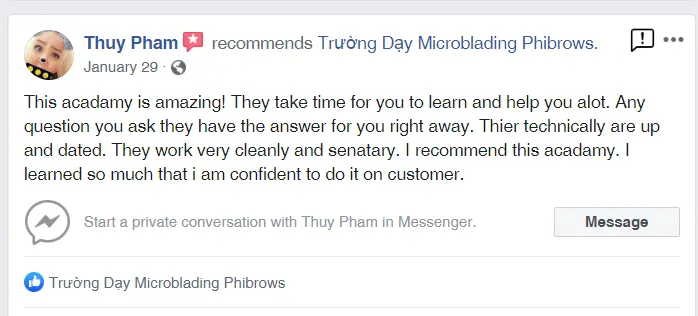
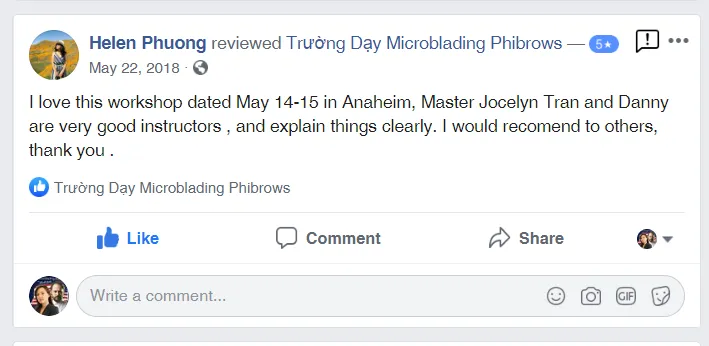
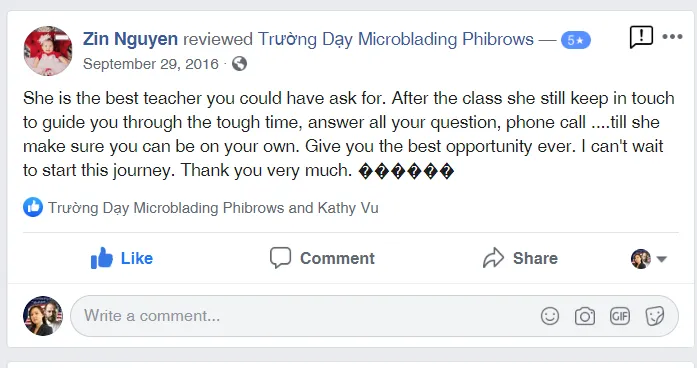
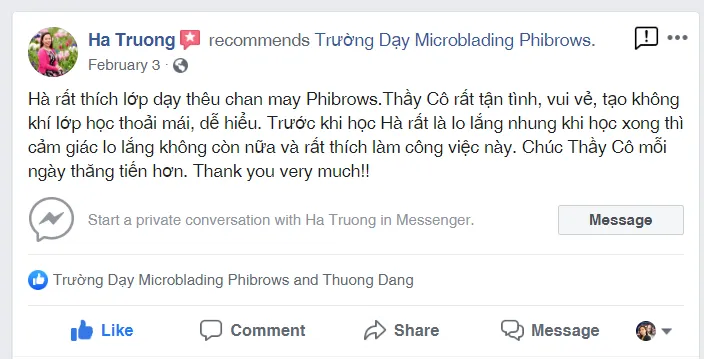
See HOW Many People Just Like You Are SAYING ABOUT OUR CLASSES:
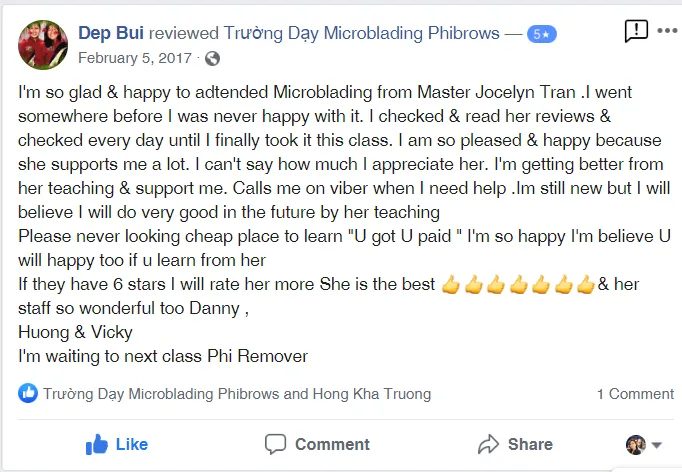
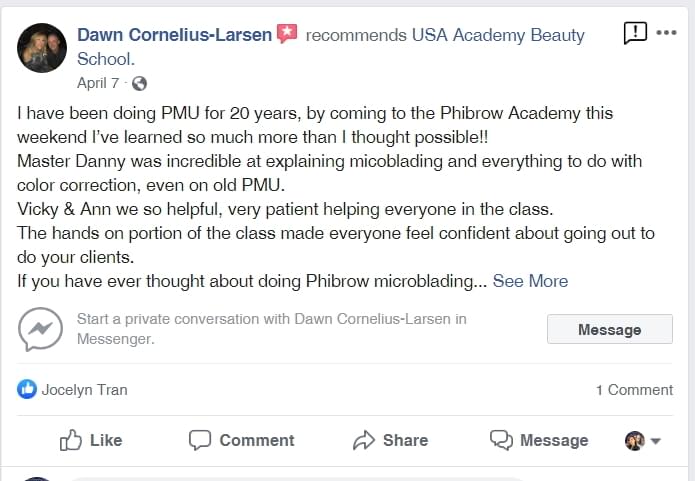
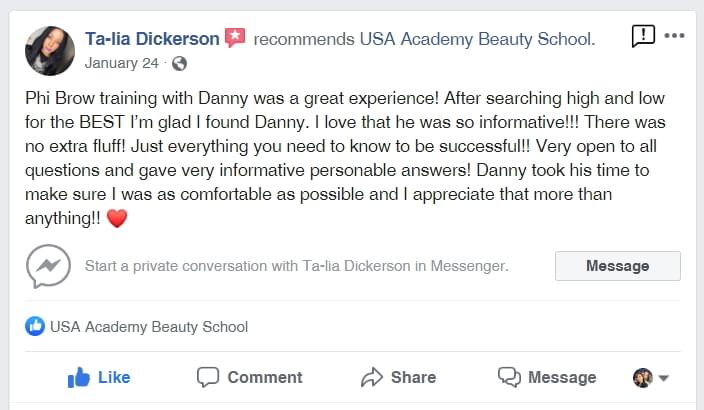
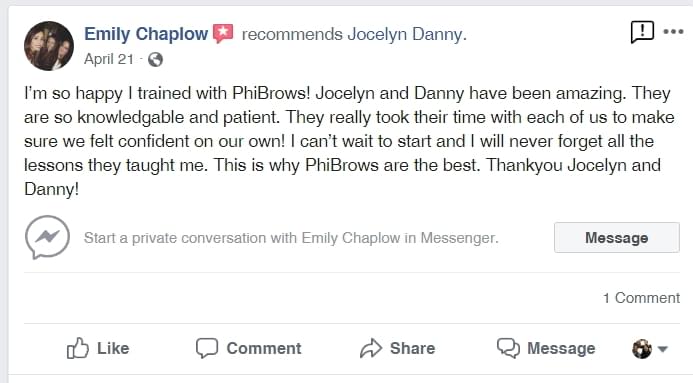
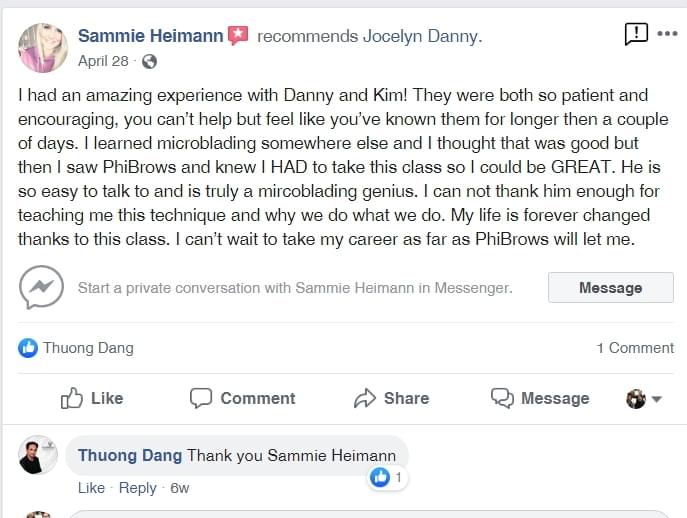
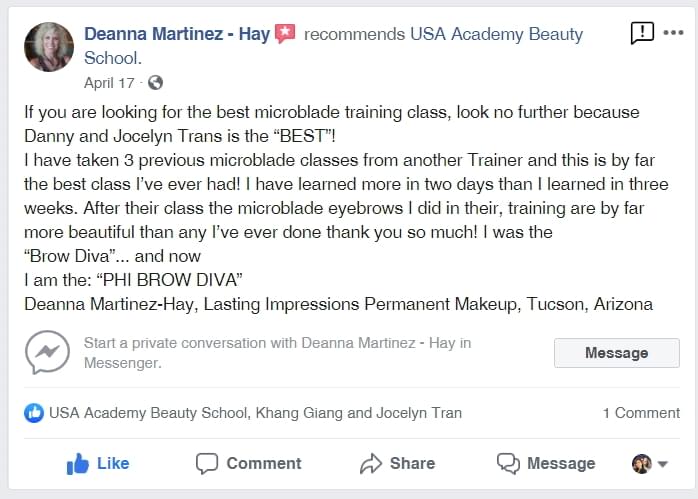
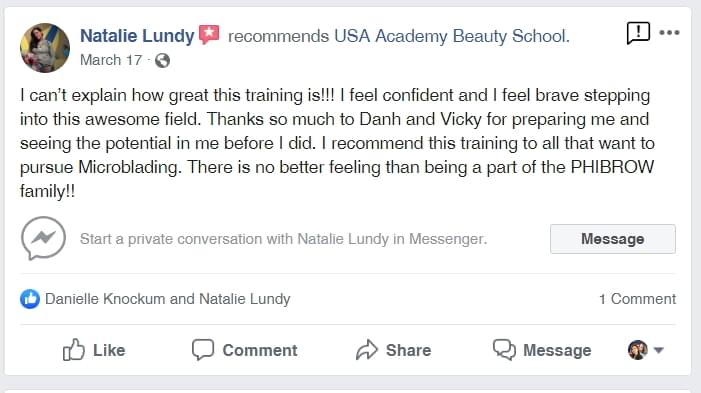
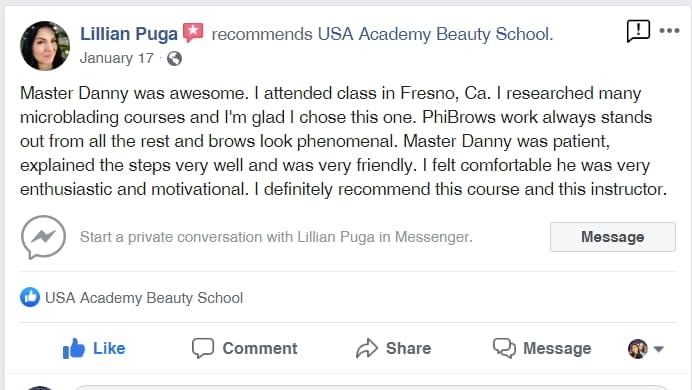
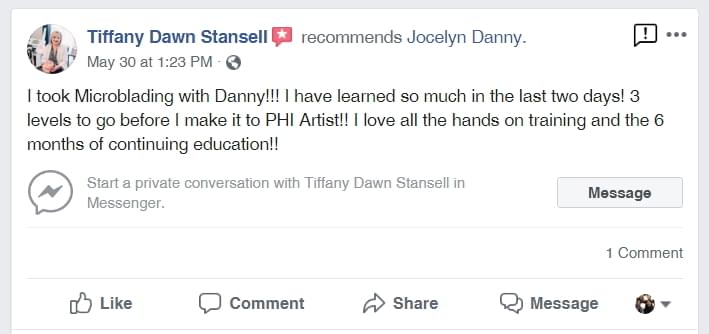
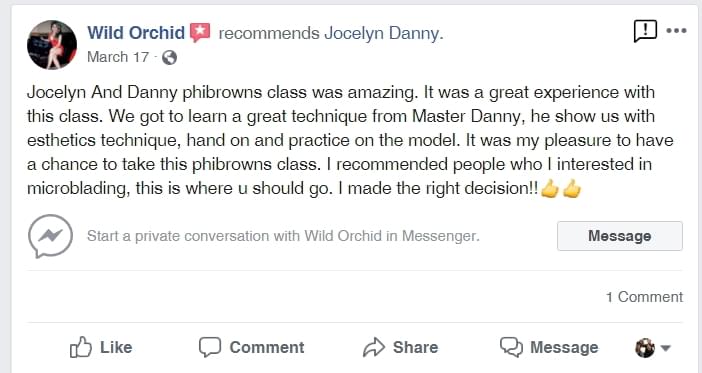
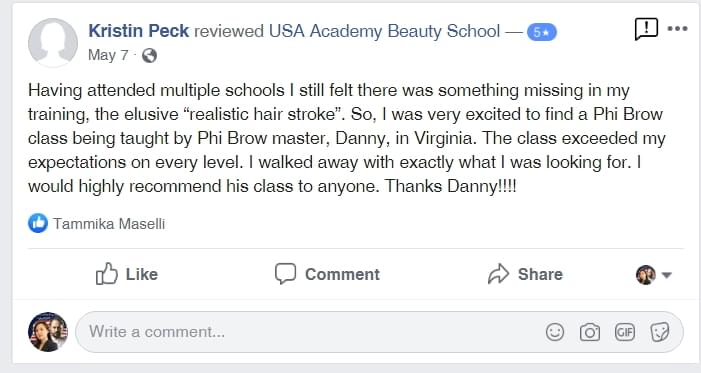
"...I have taken 3 microblading Courses and Danny's and Jocelyn's is the best by far..."
"...It was phenomenal! I learned so much more than I thought POSSSIBLE..."
"...I took a microblading class before but it wasn't good. After Danny's class, I am so happy..."
"...Master Danny is wonderful. He'll teach you everything you need to know and all the secrets. Take this class and you will have great confidence after it..."
"...I took a microblading class before but it wasn't good. After Danny's class, I am so happy..."
"...Phibrows Class with Danny and Jocelyn is amazing. It's super fast-paced but they teach you everything you need to know and won't let you continue to the next level until you get it.."
"...It was a great experience and it provided me all the essentials and the tools that I need to succeed. Thank you..."
"...He's very thorough. I highly recommend this class to everyone. He's the best..."
Don't Know How To Start?
Save Time and Money By Taking this 60-second quiz to find out which Program is the best for you to start right away.














PHIACADEMY USA
PHIACADEMY USA-Also known as Trường PhiBrows USA -All Rights Reserved
Location: 1515 E Shaw Ave.Fresno, CA 93710

Facebook
Instagram
Youtube